
Market Surge Drives Precious Metal Investment Demand
October 2025 – Gold coin prices have experienced a remarkable 18% increase over the past year, marking one of the strongest periods of growth for precious metal investments in recent memory. This surge has reignited investor interest in physical gold as both a wealth preservation tool and portfolio diversification strategy.
Understanding the Price Movement
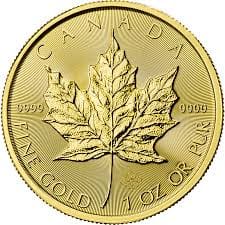
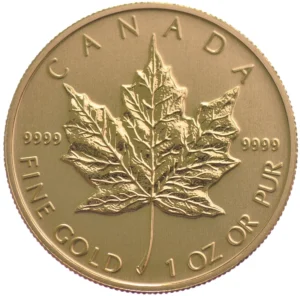
The 18% price increase reflects a combination of global economic factors that have historically driven investors toward safe-haven assets. Gold coins, particularly sovereign-minted pieces like Britannias, Sovereigns, and Krugerrands, have seen especially strong demand as investors seek tangible assets amid economic uncertainty.
Key Factors Driving the Increase
Economic Uncertainty: Global markets have experienced significant volatility, prompting investors to seek stability in physical assets with intrinsic value.
Currency Fluctuations: Weakening fiat currencies in various markets have made gold more attractive as a store of value that transcends national borders.
Inflation Concerns: Rising inflation rates worldwide have encouraged investors to protect their purchasing power through precious metal holdings.
Central Bank Activity: Increased gold purchasing by central banks globally has signaled strong institutional confidence in gold’s long-term value.
Impact on Different Gold Coin Types
The price increase hasn’t affected all gold coins equally. Investment-grade bullion coins have seen the most consistent price appreciation, while numismatic and collectible coins have experienced even higher premiums due to their scarcity factor.
Bullion Coins: Standard investment pieces like Gold Britannias and Sovereigns have tracked closely with spot gold prices, with the 18% increase reflected almost directly in their retail prices.
Rare and Collectible Coins: Historical gold coins with numismatic value have often exceeded the 18% benchmark, as collectors compete for limited supplies.
What This Means for Investors
For existing gold coin holders, the 18% increase represents significant portfolio appreciation. For prospective buyers, the current market presents both opportunities and considerations:
Long-term Perspective: Despite the recent increase, many analysts view gold as maintaining its historical role as a wealth preservation asset rather than reaching unsustainable levels.
Entry Points: While prices have risen, many investors view any pullback as a potential opportunity to establish or add to positions.
Portfolio Allocation: Financial advisors typically recommend gold represent 5-15% of a diversified investment portfolio, a guideline that remains relevant despite price movements.
Market Outlook
Industry experts suggest several factors will continue to influence gold coin prices in the coming months. Geopolitical developments, monetary policy decisions by major central banks, and global economic growth rates will all play crucial roles.
The consensus among precious metal dealers indicates sustained interest in physical gold, with many reporting that client inquiries have increased alongside prices rather than diminished. This suggests the price increase has validated gold’s investment thesis rather than deterring new buyers.
Considerations for Buyers
Those looking to purchase gold coins in the current market environment should consider several factors:
- Authentication: Work with reputable dealers who provide proper certification and guarantees of authenticity.
- Premiums: Understand that dealer premiums over spot price can vary, and shop for competitive rates.
- Storage: Plan for secure storage solutions, whether through home safes, bank safety deposit boxes, or professional vault services.
- Tax Implications: Consult with tax professionals regarding any implications of precious metal investments in your jurisdiction.
Historical Context
The current 18% increase, while significant, represents part of gold’s long-term trajectory as a store of value. Over decades, gold has maintained its purchasing power even as individual yearly returns have varied considerably. This recent surge aligns with gold’s traditional behavior during periods of economic uncertainty.
Conclusion
The 18% increase in gold coin prices reflects renewed recognition of precious metals’ role in wealth preservation and portfolio diversification. Whether this represents a sustained trend or a temporary peak remains to be seen, but the fundamental factors driving interest in physical gold remain intact.
For investors considering gold coins, the focus should remain on long-term wealth preservation objectives rather than short-term price movements. As always, precious metal investments should form part of a balanced, diversified portfolio strategy aligned with individual financial goals and risk tolerance.
This article is for informational purposes only and does not constitute financial advice. Investors should conduct their own research and consult with qualified financial advisors before making investment decisions.